Witnesses to the Light—Portraits

Traditional Catholic saint portraits in sacred realism.
Traditional Catholic saint portraits in sacred realism, presented as printed holy cards.
They serve as simple gifts for namedays, godchildren, and moments of need
—a patron for the sick, a companion in study, a protector in trial, and a quiet presence within the life of faith.
Click any portrait below to view the item in our Zazzle webshop, or view the full Witnesses to the Light collection on Zazzle.
View our other collections here.
Photograph of a printed Witnesses to the Light holy card, produced on double-thick matte stock.
A physical example from the Faith and Verse saint portraits collection.

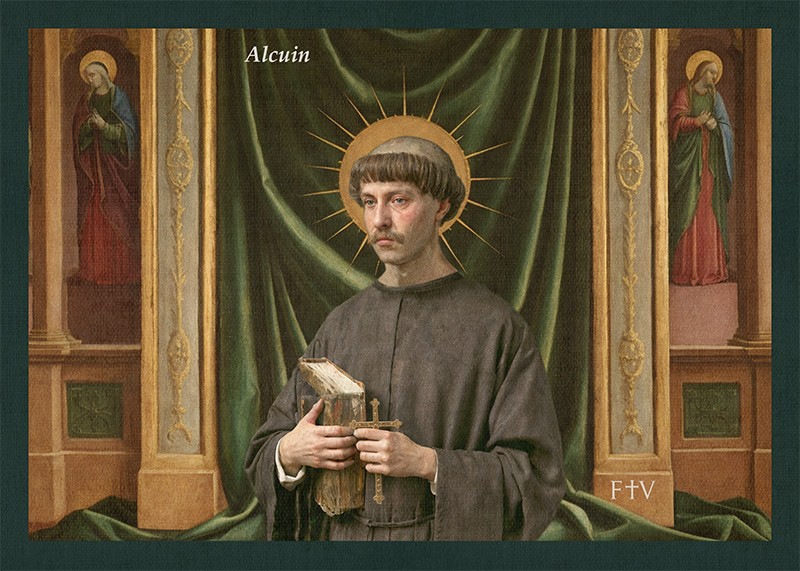
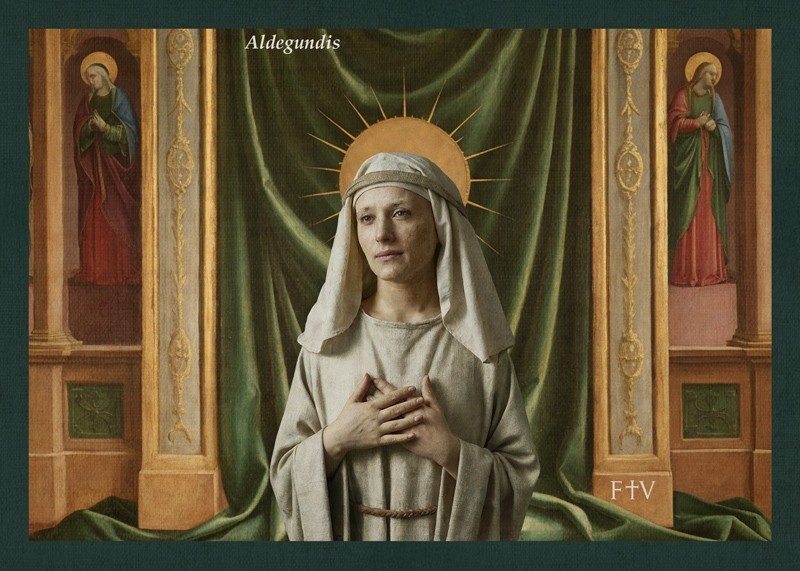

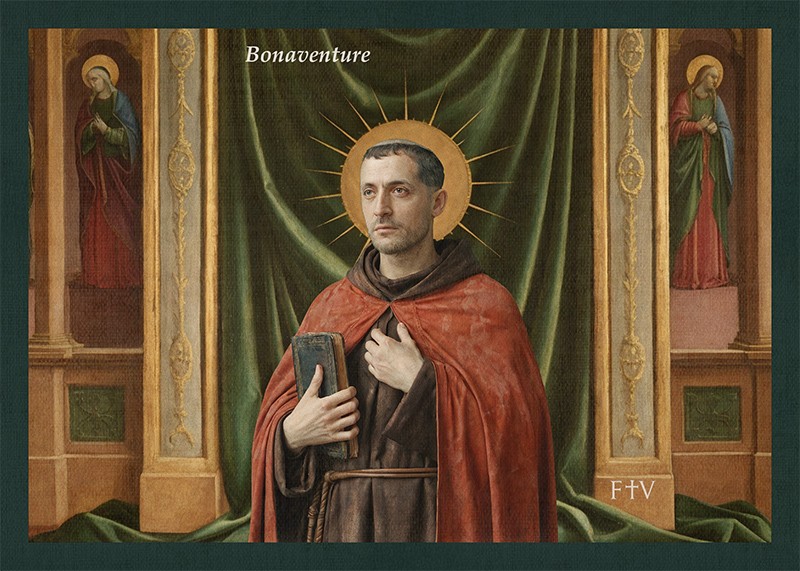
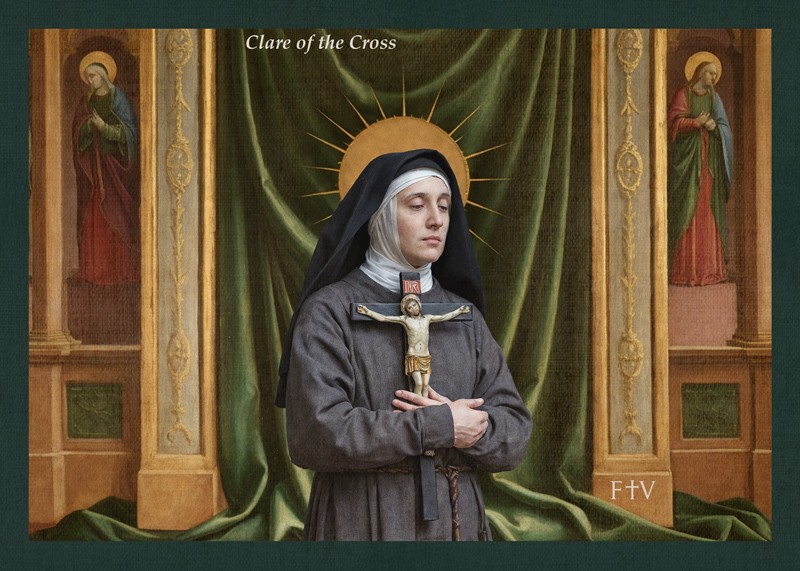
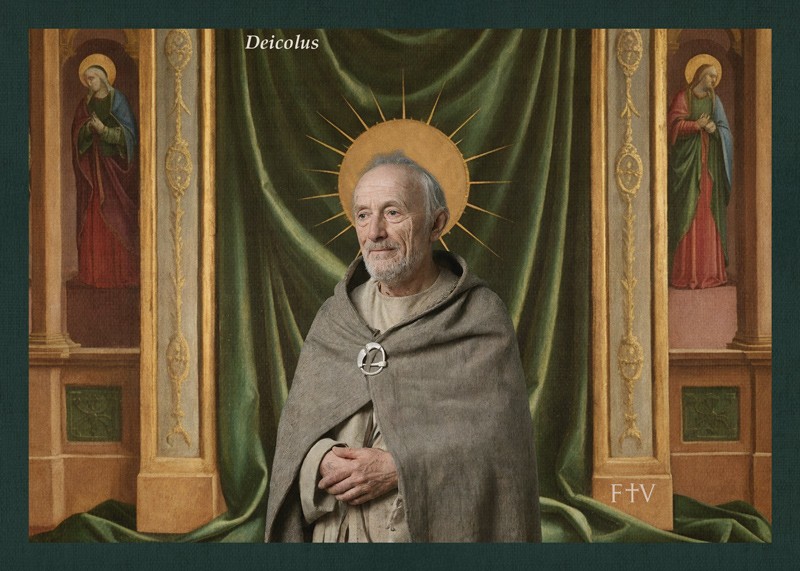
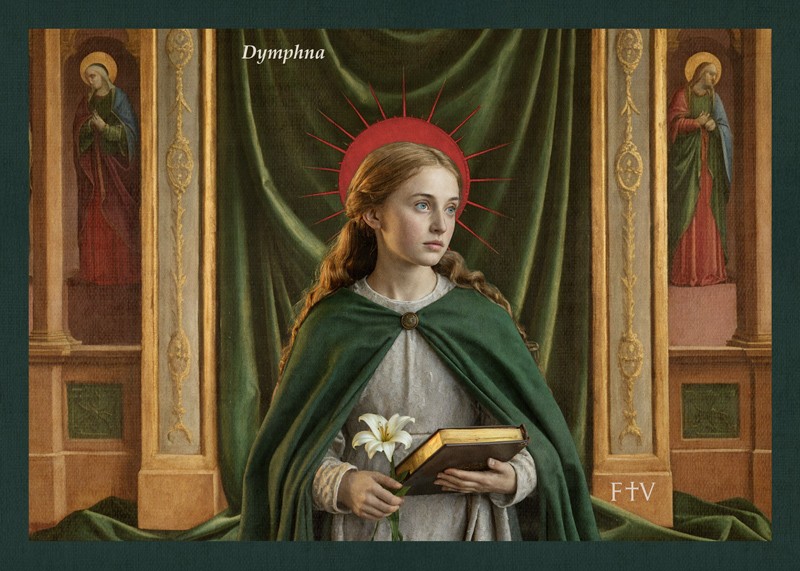

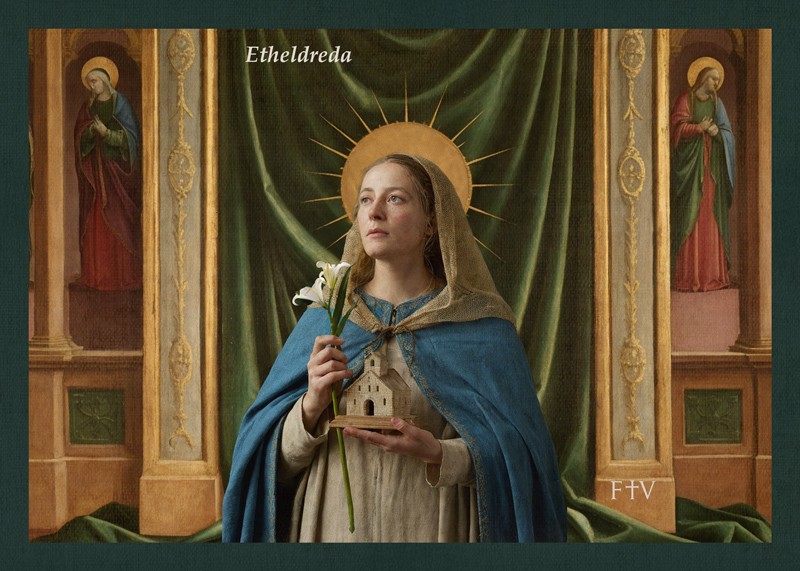


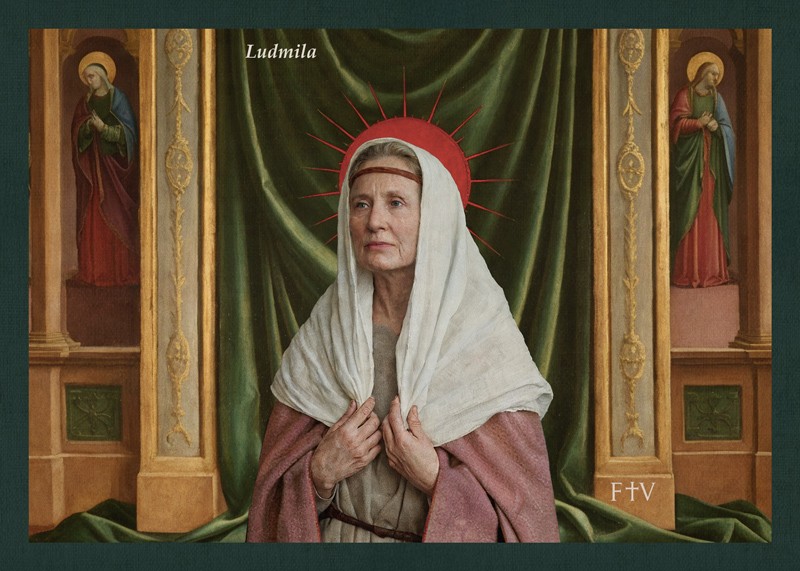

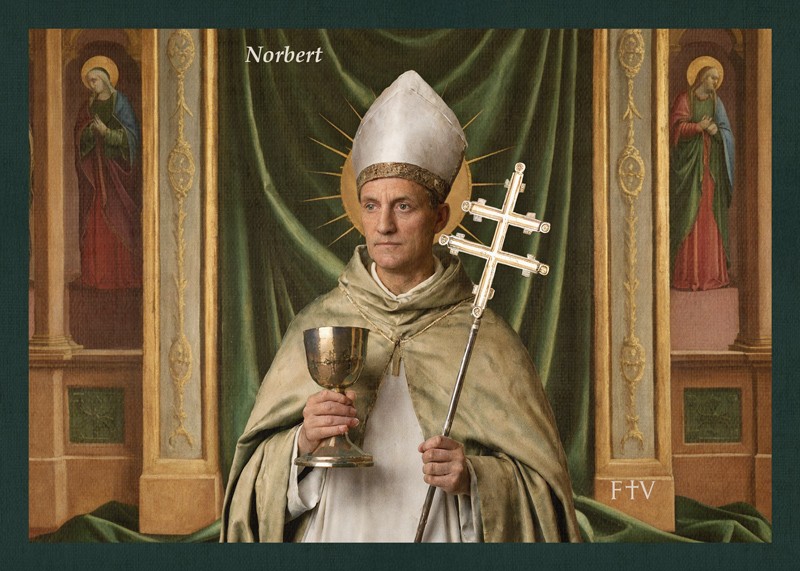

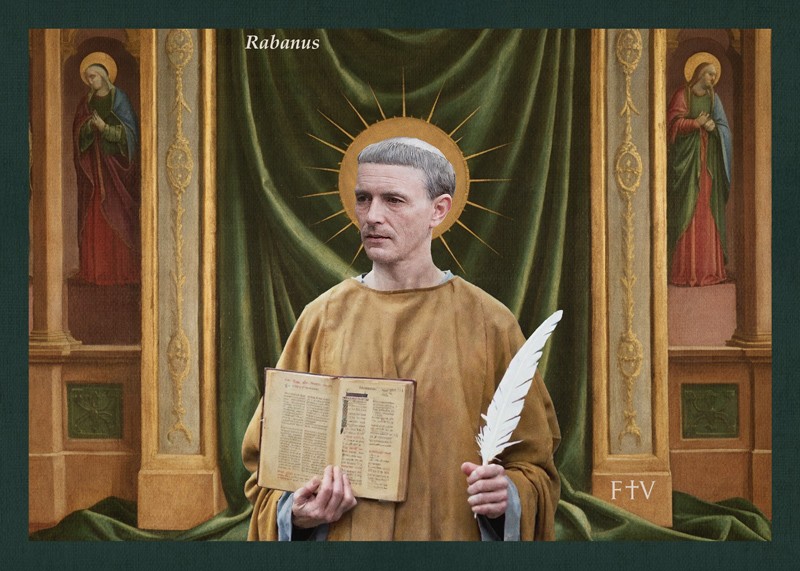
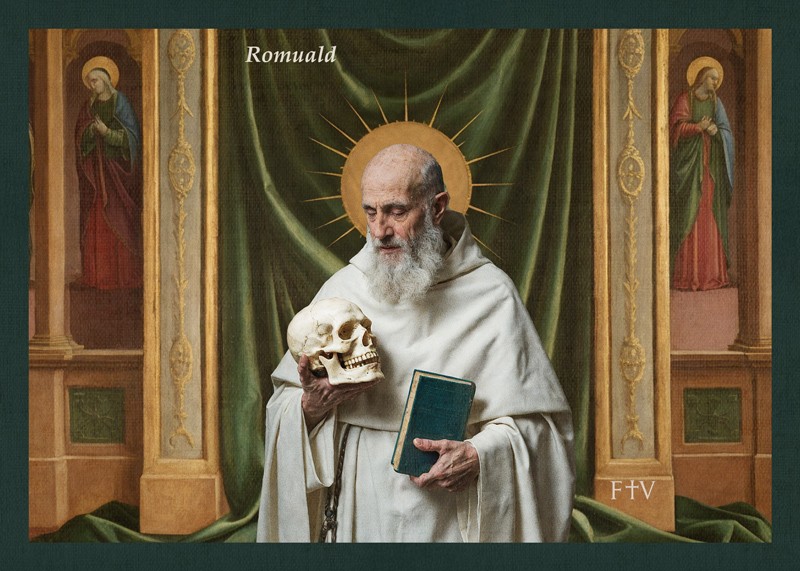
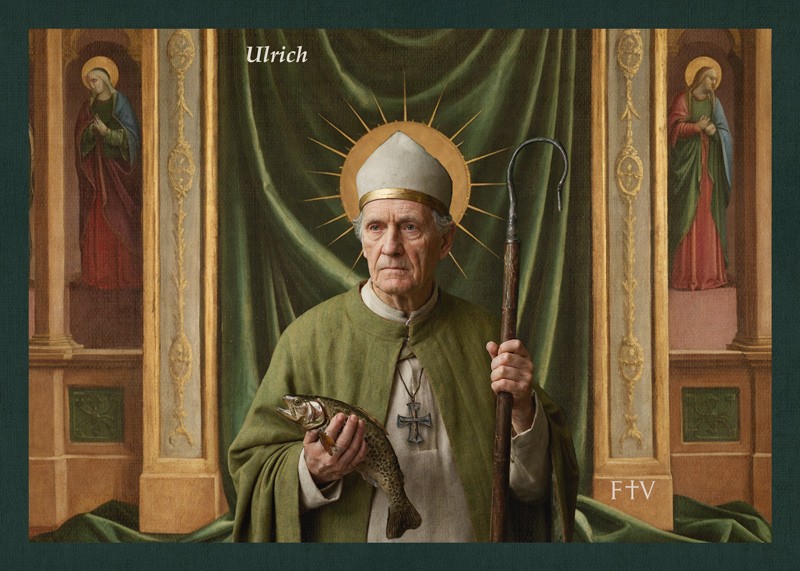
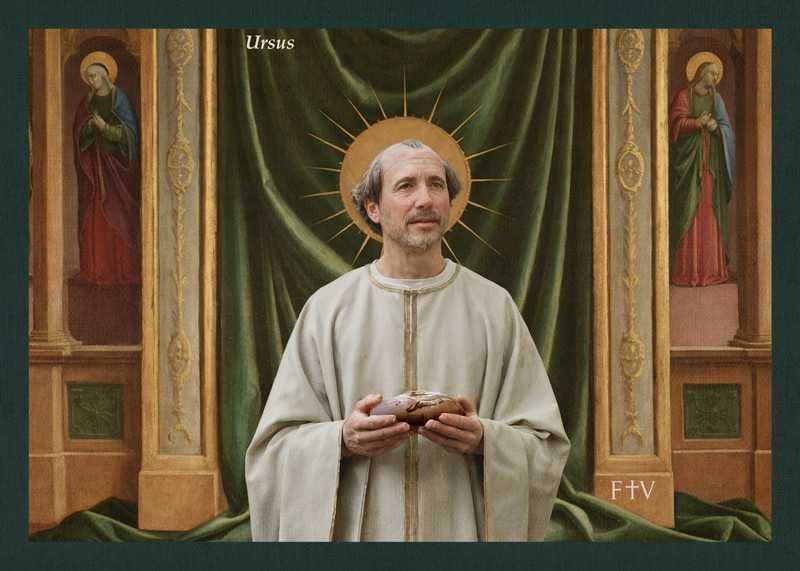
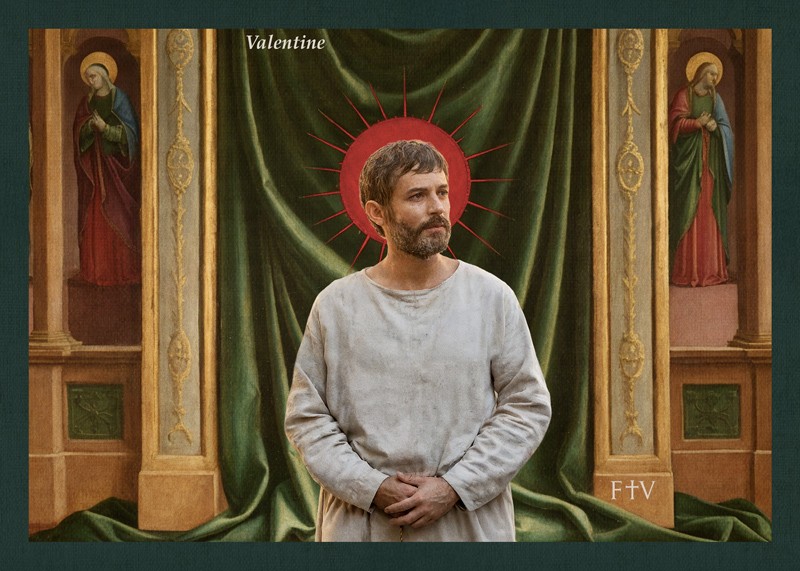
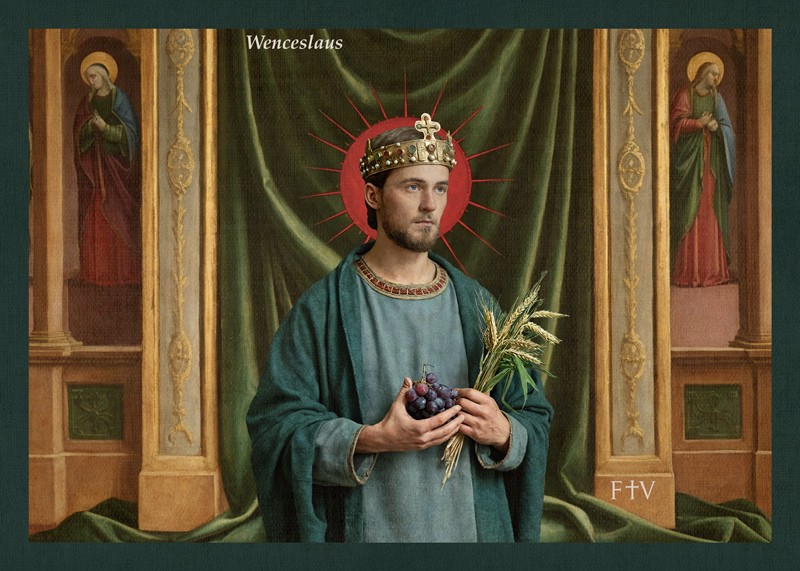
New witnesses will be added slowly, as the work unfolds.
What These Cards Are
A greeting card is a simple object. Our Catholic saint holy cards are meant to be used, posted, given, and kept. They serve as simple gifts for namedays, godchildren, and moments of need: a patron saint for the sick, a companion in study, a protector in trial, a quiet sign of remembrance. These traditional saint cards do not demand attention, but give when noticed—kept close, placed inside a book, or passed on by hand.
Printing and Format
Faith and Verse saint portrait cards are printed greeting cards, designed by Faith and Verse and printed, handled, and fulfilled through Zazzle. The artwork, composition, and presentation are entirely ours; Zazzle is used solely for manufacturing and delivery. Each card measures 5 × 7 inches, a standard card format intended to be held, written on, given, and kept. The cards come with envelopes and have no address lines on the reverse—they are not designed for bare mailing, but for gifting, enclosure, or personal keeping. The cards are printed on signature double-thick, matte stock, deliberately chosen to avoid thin, flexible paper. These are, and feel like, objects rather than disposable prints, with weight and stiffness suited to repeated handling. Each card carries a single image on the front, without captions or slogans. The reverse remains functional for writing.
Imagery and Restraint
The imagery is restrained, timeless, and present, shaped for presence rather than explanation. These images do not function as illustrations of doctrine or emotional prompts. They do not summarize belief or direct response. Meaning is not forced. Silence is allowed. The work assumes faith rather than arguing for it or explaining it, and offers images meant to be lived alongside rather than consumed.
Saints as Witnesses
The saints are presented as witnesses rather than symbols. They are not treated as personalities or mascots, but as named persons within history, remembered for fidelity rather than sentiment. Attributes are chosen carefully and sparingly. In some cases, traditional attributes are intentionally set aside—not as a rejection of tradition, but to avoid reducing sanctity to narrative shorthand. The emphasis remains on presence, posture, and the light borne through a life, rather than spectacle or dramatic episode. Joan may appear without sword or armor, because her sanctity is not founded on military heroism; or Lucy without eyes on a plate, not because the tradition is denied, but because these holy cards do not privilege spectacle.
The collection gives particular attention to witnesses whose memory has been obscured by time, including saints removed from or no longer included in the universal Roman Calendar. This attention to memory reflects the conviction articulated by Pope Saint John Paul II when addressing the youth of Czechoslovakia at Velehrad—that the saints remain alive and are guarantors of both past and future.
Among them are figures such as Saint Alcuin of York, counselor to Charlemagne and a central mind of the Carolingian renewal; Saint Ludmila of Bohemia, grandmother of Saint Wenceslaus and first Christian martyr of the Czech lands; Saint Wenceslaus of Bohemia, duke and martyr; and Saint Ulrich of Augsburg, defender of the faith during the Magyar invasions. The collection also includes consecrated virgins such as Saint Etheldreda of Ely, foundress and abbess, and Saint Dymphna of Geel, virgin martyr and patroness of those suffering from mental illness and anxiety, alongside confessors and teachers including Saint Romuald, Saint Bonaventure,
and Saint Norbert of Xanten.
A Shared Visual Order
All portraits belong to a single visual system. Backgrounds, palette, light, and compositional structure are consistent across the collection. Although the saints lived their earthly lives in different places and eras, they are gathered here within a shared space. This setting is not historical reconstruction, but a metaphysical one—a visual acknowledgment of the cloud of witnesses, many lives now belonging together beyond time.
Historical Attention
Faith and Verse takes historical material culture seriously. Clothing, objects, gestures, and settings are developed through direct study of historical, archaeological, and textual sources appropriate to each saint and period. Garments are shaped toward actual historical habitus rather than later stylization or devotional costume. Deliberate anachronism is avoided by principle. The aim is not theatrical accuracy, but proximity: to encounter each saint within the material conditions of their earthly life and to honor their witness by refusing to abstract them from history.
This work develops through continued study. New witnesses will be added slowly, as the work unfolds.
These images are shaped carefully, offered without urgency, and left to stand.